Schedules fill up, notifications never cease, and the day seems to slip away between tasks and commitments. Amid this fast-paced rhythm, more and more people feel the need to pause, breathe, and restore balance.
It is within this context that slow living emerges—a philosophy that encourages a more mindful way of life, prioritising wellbeing, quality time, and a deeper connection with what truly matters. It is not about doing less, but about doing things with greater presence and purpose.
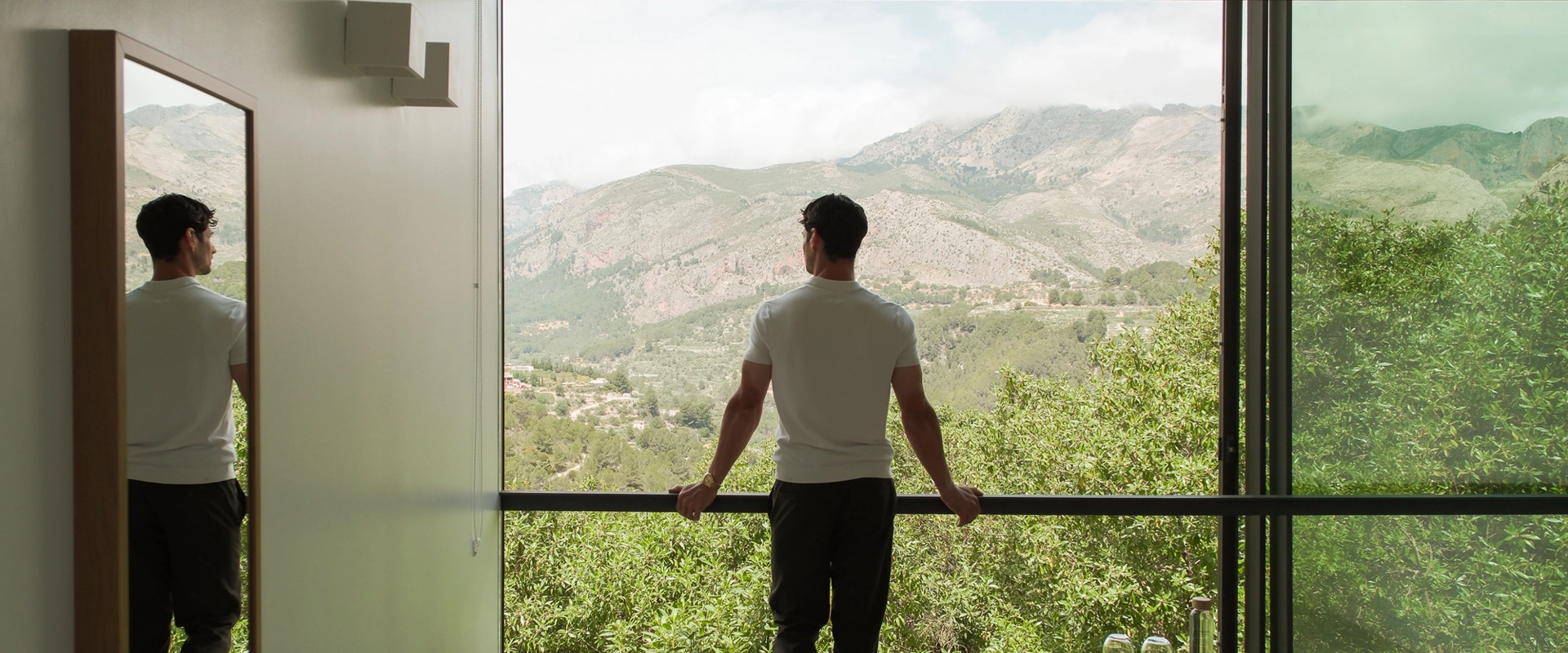
At VIVOOD Landscape Hotels, surrounded by nature in the Guadalest Valley, this way of understanding wellbeing takes on a special meaning. Here, luxury is expressed through silence, the contemplation of the landscape, and the opportunity to reconnect with oneself. An experience that invites a holistic approach to wellbeing, where mind, body and environment come together to foster a profound sense of balance.
Incorporating slow habits into daily life can become the first step towards greater personal wellbeing, improving both physical health and emotional balance.
What is slow living and why more people are embracing it
Slow living is a lifestyle philosophy that invites us to slow down and live more consciously. In contrast to a culture of immediacy, it encourages us to rediscover the value of time, presence and connection with our surroundings.
More than just a trend, slow living responds to a growing need for balance between wellbeing and health. In a hyper-connected world, where digital stimuli are constant, more and more people are seeking ways to regain calm and improve their quality of life.
Among its core principles are:
- Prioritising quality over quantity
- Living with greater awareness of the present moment
- Reducing unnecessary stimuli
- Connecting with nature
- Creating spaces for mental rest
This lifestyle is also closely linked to the concept of holistic wellbeing, which understands wellbeing as a balance between physical, mental and emotional health.
In natural environments such as VIVOOD, designed to encourage calm and disconnection, this philosophy is experienced in a particularly intense way. The architecture, integrated into the landscape, the silence, and the open views across the valley invite guests to slow down and reconnect with what truly matters.
Why adopting slow habits improves your wellbeing
Incorporating slow habits into your daily routine can have a profound impact on overall wellbeing. Various studies in health and wellbeing psychology suggest that slowing down helps improve both mental and physical balance.
Slow living promotes a holistic approach to wellbeing, where every aspect of life—from rest and nutrition to our relationship with technology—contributes to creating a state of harmony.
Among its most notable benefits are:
- Enhances emotional wellbeing
Reducing constant urgency allows for better stress and emotional management. - Supports physical wellbeing
By dedicating time to rest, physical activity and relaxation, the body regains its natural balance. - Strengthens personal wellbeing
Slow living helps reconnect with personal needs and priorities. - Promotes overall health
The balance between mind and body improves the relationship between wellbeing and health, fostering more sustainable habits.
Adopting this philosophy does not require a radical life change, but rather the gradual introduction of small habits that encourage a more holistic sense of wellbeing in everyday life.

10 slow habits to transform your daily routine
Slow living is built through small, everyday decisions. These habits can be progressively integrated until they become a natural part of a more mindful life.
1. Start the day without rushing
The way we begin the morning influences the rest of the day. Taking a few moments to wake up calmly, breathe deeply or observe the morning light helps start the day with greater serenity, reducing cortisol levels.
This simple gesture helps create a state of emotional wellbeing from the very beginning of the day.
2. Enjoy a mindful breakfast
Breakfast can become a moment of pause and enjoyment. Savouring food, avoiding distractions and dedicating a few minutes to the moment helps start the day with balanced energy.
When the setting enhances the experience, as it does at VIVOOD—where each room opens onto the landscape—this moment becomes a true wellbeing ritual.
3. Create small wellbeing rituals
Rituals provide stability and help introduce pauses into daily routines. This could be a herbal infusion at the end of the day, a few minutes of meditation, or a relaxing shower before bed.
Though brief, these moments become meaningful wellbeing rituals that support balance between mind and body.
4. Walk in nature
Contact with nature has a deeply restorative effect. Walking through mountains, forests or natural paths helps reduce stress and improve mood.
In addition to supporting physical wellbeing, walking in nature also enhances emotional wellbeing, helping to release tension and clear the mind.
5. Practise digital disconnection
One of the greatest challenges of modern wellbeing is managing technology. Hyperconnectivity can lead to mental fatigue, stress and difficulty concentrating.
Practising digital disconnection at certain times of the day helps restore focus and improve the quality of experiences.
At VIVOOD Landscape Hotels, this philosophy is reflected in an invitation to live in the present and to find balance in the use of mobile devices, allowing guests to enjoy each moment without distractions.
6. Make time for silence
Silence has become a rare luxury. However, setting aside a few minutes each day for calm, free from external stimuli, can have a deeply restorative effect.
This space of stillness allows for greater mental clarity and reinforces personal wellbeing.
7. Eat consciously
Slow living also transforms the way we relate to food. Choosing quality ingredients, eating without rushing and enjoying each flavour turns meals into a more mindful experience.
This habit contributes both to physical wellbeing and to a healthier balance between wellbeing and overall health.
8. Introduce pauses throughout the day
Productivity is not always linked to constant activity. Taking small breaks throughout the day helps restore energy and improve concentration.
These pauses support a more stable state of emotional wellbeing throughout the day.
9. Prioritise rest
Quality sleep is one of the fundamental pillars of holistic wellbeing. Creating a relaxing evening routine, reducing screen time before bed and preparing a calm environment all contribute to restorative rest.
Good sleep improves both physical wellbeing and emotional balance.
10. End the day with a calming ritual
The end of the day can become a moment of reconnection with oneself. Reading a few pages, journalling or practising mindful breathing helps close the day with a sense of calm.
This simple wellbeing ritual helps release tension and prepare the body for rest.
The luxury of living more slowly
True luxury is increasingly found in time, time to contemplate the landscape, enjoy uninterrupted conversation, or pause to watch a sunset.
Landscape hotels are born from this very philosophy: offering spaces where architecture, nature and wellbeing come together to encourage disconnection.
We know we are not telling you anything new, but sometimes it is important to revisit the patterns we have deeply embedded in our daily lives—patterns that are often unhealthy and surprisingly easy to change. Because sometimes, to transform our lives, all we need is to learn to live a little more slowly.